As digital assets become a permanent part of the global financial landscape, individuals are increasingly choosing to hold their own cryptocurrency rather than relying on centralized platforms. This shift toward self-custody gives users full control over their funds—but it also places the responsibility for security entirely in their hands.
Hardware wallets play a crucial role in protecting private keys, and Ledger is one of the most widely used hardware wallet brands in the world. However, a hardware device alone cannot interact with blockchains. To send transactions, monitor balances, install apps, or update firmware, users need trusted companion software.
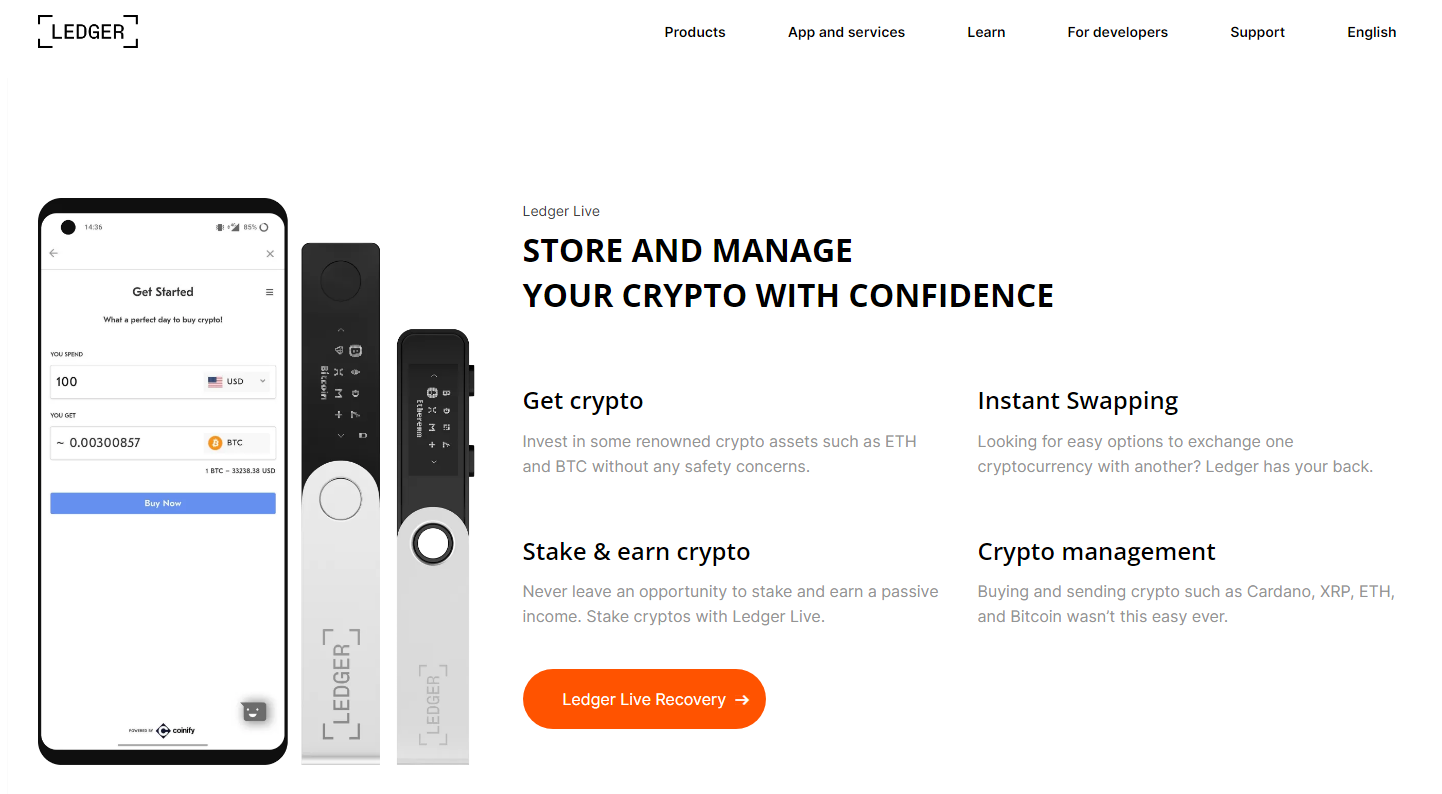
Ledger Live is the official application created by Ledger to fulfill this role. It acts as a secure control center that allows users to manage cryptocurrencies while keeping private keys isolated inside the Ledger device.
This article explores Ledger Live in depth—what it is, how it works, its main features, security design, and why it is essential for anyone using a Ledger hardware wallet.
Ledger Live is a desktop and mobile application developed by Ledger to manage digital assets stored on Ledger hardware wallets. It provides a user interface for interacting with multiple blockchain networks while ensuring that sensitive cryptographic operations remain confined to the hardware wallet.
Ledger Live allows users to:
The key principle behind Ledger Live is that private keys never leave the hardware wallet. Ledger Live prepares transactions and displays information, but the device itself signs and approves every action.
Self-custody introduces risks that do not exist in traditional finance. Malware, phishing websites, and fake wallet software are common threats. Ledger Live was designed to reduce these risks by providing a controlled and verified environment.
Ledger Live is essential because it:
Using unofficial software with a hardware wallet can compromise security. Ledger Live ensures that users interact with their device in a way that preserves its protective design.
Ledger Live is available across major operating systems, making it accessible to a wide range of users.
The desktop version offers the most complete feature set and is recommended for routine management.
The mobile version provides portability and convenience while still requiring the Ledger device for transaction approval. Bluetooth connectivity is supported on compatible devices.
Ledger Live works with all current Ledger hardware wallets, including:
Although the devices differ in design and connectivity, they follow the same security principles when used with Ledger Live.
Ledger Live follows a strict separation between software and hardware responsibilities.
This separation ensures that even if the computer or smartphone is compromised, attackers cannot access private keys or move funds without physical access to the device.
Ledger Live should always be downloaded from the official Ledger website. Fake versions are a common attack vector used to steal recovery phrases.
After installation, users are guided through:
The setup process is intentionally structured to reduce beginner mistakes.
The device is connected via USB or Bluetooth (Nano X). Ledger Live performs a genuine check to confirm the device is authentic and untampered.
Users can:
The recovery phrase is generated on the device and must be written down and stored offline.
The recovery phrase is the master backup for all funds associated with the Ledger device.
Key facts:
Anyone with access to the recovery phrase can control the funds. If it is lost, access to the crypto is permanently lost.
Ledger Live presents a portfolio overview that shows:
This helps users track their holdings without logging into multiple platforms.
To send funds:
The physical confirmation step ensures that malware cannot initiate unauthorized transfers.
Receiving funds involves:
This prevents address substitution attacks.
Ledger devices use individual apps for different blockchains.
Ledger Live allows users to:
Removing an app does not affect stored funds—it only removes the interface for that blockchain.
Firmware updates are critical for security and compatibility.
Ledger Live ensures:
Updates may add features, improve performance, or expand asset support.
Ledger Live supports a large number of digital assets, including:
Some assets may require additional apps or integrations, depending on network requirements.
Ledger devices use certified secure elements that isolate private keys from the rest of the system.
Every transaction must be approved using physical buttons on the device, blocking remote attacks.
Access to the device is protected by:
These features add layers of protection even if the device is stolen.
Ledger Live verifies that the connected device is genuine and running official firmware.
Ledger Live is designed to minimize unnecessary data exposure:
Users should still practice good privacy habits when interacting with public blockchains.
The mobile version of Ledger Live allows users to:
Despite the convenience, security remains unchanged because private keys stay on the hardware wallet.
Ledger Live provides guided troubleshooting for most situations.
Ledger will never ask for your recovery phrase.
While Ledger devices can connect to external wallets, Ledger Live offers:
For most users, the official software provides the safest experience.
Ledger Live is suitable for:
Its interface aims to be approachable without compromising protection.
Ledger actively maintains Ledger Live, introducing:
Regular updates ensure long-term reliability.
Ledger Live is the backbone of the Ledger ecosystem, transforming a hardware wallet into a practical and secure crypto management solution. By separating private key storage from online interactions, it allows users to engage with blockchain networks without exposing sensitive information.
In an environment where financial responsibility cannot be delegated, Ledger Live provides the structure, safeguards, and clarity needed to manage digital assets confidently. For anyone using a Ledger hardware wallet, it remains an essential tool for secure and independent cryptocurrency ownership.